
 |
 |
 |
 |
 |
 |
DIAGNOSTIC STRATEGIES OF GENETICS & MONITORING OF CHRONIC DISORDERS |
|||
1) GENETIC PREDISPOSITION TESTING FOR POTENTIAL HEREDITARY DISEASES: Genetic mutation can be inherited. When a specific cancer type is prevalent in one side of the family, the cancer is recognized as a FAMILIAL cancer. Most of them are caused by genetic mutation in a gene related to cancer susceptibility. In addition, a term called "family cancer syndrome" (or "hereditary cancer syndrome") is a rare disorder in which family members have an above-average chance of developing a certain type or types of cancer. Family cancer syndromes are caused by inherited genetic variants in certain cancer-related genes. It is reported that up to 10% of all cancer cases may be caused by inherited genetic mutation or changes. These are called CANCER PREDISPOSITION genes. Individuals who carry a mutant allele of these genes have an increased susceptibility to cancer. It is now widely identified that an accumulation of genetic or epigenetic alterations affect the conversion of normal cells to cancer cells. (See complete report) |
|||
| 2) TESTING FOR OCCUPATIONAL (JOB RELATED) DISORDERS: Biological reactions are potentially linked to high concentrations of environmental toxins and heavy metal contamination. Autoimmune disorders can occur from significant exposure to certain metals in the air, water or digested materials. Heavy metals including ARSENIC, LEAD and MERCURY are recognized to cause a wide range of health issues and even death and others. Poisoning can happen if you eat or drink something tainted with heavy metals or if you breathe in contaminated dust or fumes. Functional testing and a full work-up can identify these pathogens to help design a personalized treatment plan. | |||
| 3) ACTIVE SURVEILLANCE Where Recurrence Prevention Scans are implemented after cancer treatment or surgery, Active Surveillance is often recommended once you are diagnosed of an early stage cancer- one that is identified as slow-growing such as prostate, breast, kidney, and thyroid cancer. Monitoring cancers during its very early stages (instead of immediate treatment) may be a good option. This means closely watching a patient’s condition but not giving any treatment unless there are changes in test results that show the condition is getting worse. Active surveillance may be used to avoid or delay the need for treatments such as radiation therapy or surgery, which can cause side effects or other problems. During active surveillance, certain exams and tests, such as blood tests, imaging tests, and biopsies, are done on a regular schedule to monitor the condition. Active surveillance may be used in certain types of prostate cancer and in some other types of cancer. It is a type of expectant management. (See complete report) |
|||
| 4) PRE/POSTOP RECURRENCE DETECTION: In the case of post-cancer surgery, there are many preventive measures to support a safe and healthy recovery and to reduce the risk of recurrence. The AngioInstitute recommends standardizing a postop maintenance process called RECURRENCE PREVENTION SCANS. Through the use of 3D Doppler Ultrasound, post-cancer surgery patients can subscribe to a regular monitoring program to detect possible lesions and micro-tumors that may have fallen under the radar. Moreover, proactive monitoring can mitigate complications such as post-surgical Infections, recurring pain, swelling, neuropathy from nerve damage, scarring, fluid buildup or blood clots. All this can be seen and scanned by a seasoned imaging specialist trained to support postop patient management. | |||
 |
|||
FUNCTIONAL GENOMIC & BIOLOGICAL TESTING
TESTING PROGRAM FOR PREDISPOSITION AND OCCUPATION-RELATED EXPOSURES: This comprehensive program is designed to provide insight into genetic predispositions for adverse responses to occupational exposures, common cancers, chronic diseases, and other health issues. This genetic blueprint provides the foundation of a personalized approach to minimizing exposure risks and optimizing health. Additional assessments with epigenetics and functional labs can provide real-time data into how this genetic blueprint is interacting with past and current lifestyle choices and occupational exposures to impact biological function and enable fine-tuning of personalized strategies. This program is designed to be educational and does not provide medical advice, diagnosis, or treatment. (See complete program details)
1) GENETIC TESTING: Genetic testing and interpretation of inherited mutations for common cancers (including breast, prostate, pancreatic, ovarian, colorectal, stomach, and melanoma) and cardiovascular disease. It also includes genes involved in medication interactions (genes only, no medication interpretation). This includes genetic test and report, access to a genetic counselor, and a 30-minute educational session.
GENETIC PREDISPOSITION TESTING Genetic Mutation can be Inherited 2) NUTRITIONAL GENOMICS TESTING: Genomic testing and interpretation of SNPs in 36 systems underlying health, including the processing of environmental toxins, nutrition, sleep, heart disease, brain health, mood, diabetes, inflammation, oxidative stress, mitochondrial health, hormones, cancers, exercise and injury, bone density. This includes genomic test and report, personalized summary, and 60-minute educational session. 3) PHARMACOGENOMIC TESTING: Genomic testing and interpretation of SNPs in genes associated with medication response, including adverse reactions and effectiveness. Test includes 30 genes with interpretations for more than 170 medications. This includes genomic test and report, personalized summary, and 60-minute educational session. 4) METABOLOMICS: Learn how your organs and biochemistry are operating at a cellular level with blood, urine, or saliva tests. With these you can detect early changes in every aspect of your biology, including blood sugar, vitamins, and minerals, hormones, bone metabolism, heart disease, stress, inflammation, cognitive function, and much more. Detected early, many of these changes are reversible. Metabolomics analyzes metabolites in order to identify and measure metabolites (chemical compounds from food, microbes, and other processes). 5) MICROBIOMICS: Learn how your gut is functioning in response to your DNA, diet, and lifestyle by looking at the bacteria that play a key role in your body’s biology and biochemistry and how your gut may be impacting your health. Microbiome testing, also known as gut health testing, is a way to analyze the microorganisms in your gut by analyzing a stool sample 6) EPIGENETICS: Besides learning how fast your body is aging, you’ll learn how your past and current health practices and life experiences impact your health by altering your gene expression – and how you can improve this. Epigenetic testing is a clinical procedure that examines DNA methylation patterns and other epigenetic marks to provide insights into gene expression and potential health implications. Epigenetic testing can help diagnose neurodevelopmental disorders, Predict biological age and bring significant assistance in guiding healthy habits.
|
|||
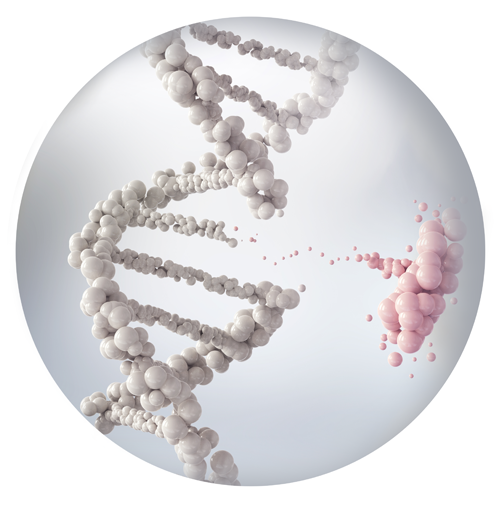 Functional Genomics focuses on integrating the many layers of our cellular biology that influence our health and how they interact with each other and the environment. These layers include: DNA, Epigenetics, Gene Expression, and Metabolic Biochemistry. Genetics and Genomics both focus on DNA, or deoxyribonucleic acid, which makes up the genes that contain our body’s operational blueprints. DNA gives our cells detailed instructions for everything from energy production in mitochondria to cellular health, food digestion and nutrient processing, thinking, walking and breathing, protecting us from viruses, how we age, and more. Understanding some of the influences on our DNA, like SNPs and epigenetics, can give us better tools for meeting each person’s health goals. Our health on a cellular level is referred to as our biological age, and it is linked to this patterning of epigenetic tags. Biological age can be a good indicator of overall health. This testing can be a powerful tool when assessing how our genomics, epigenetics, and biological age come together to affect our cellular functioning, and use it to evaluate any responses to treatments.


|
|
|
|
|
|
BARD DIAGNOSTICS at: 212.355.7017