
 |
 |
 |
 |
 |
 |
The Bard Signature Training Program Hands-On Ultrasound Education for the Next Generation of Clinical Care
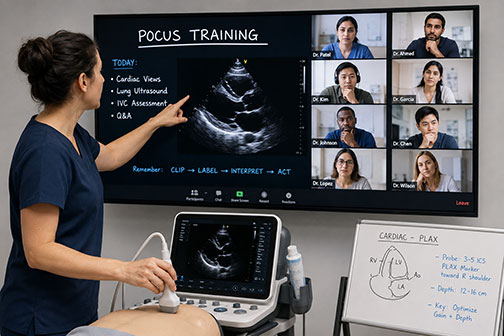
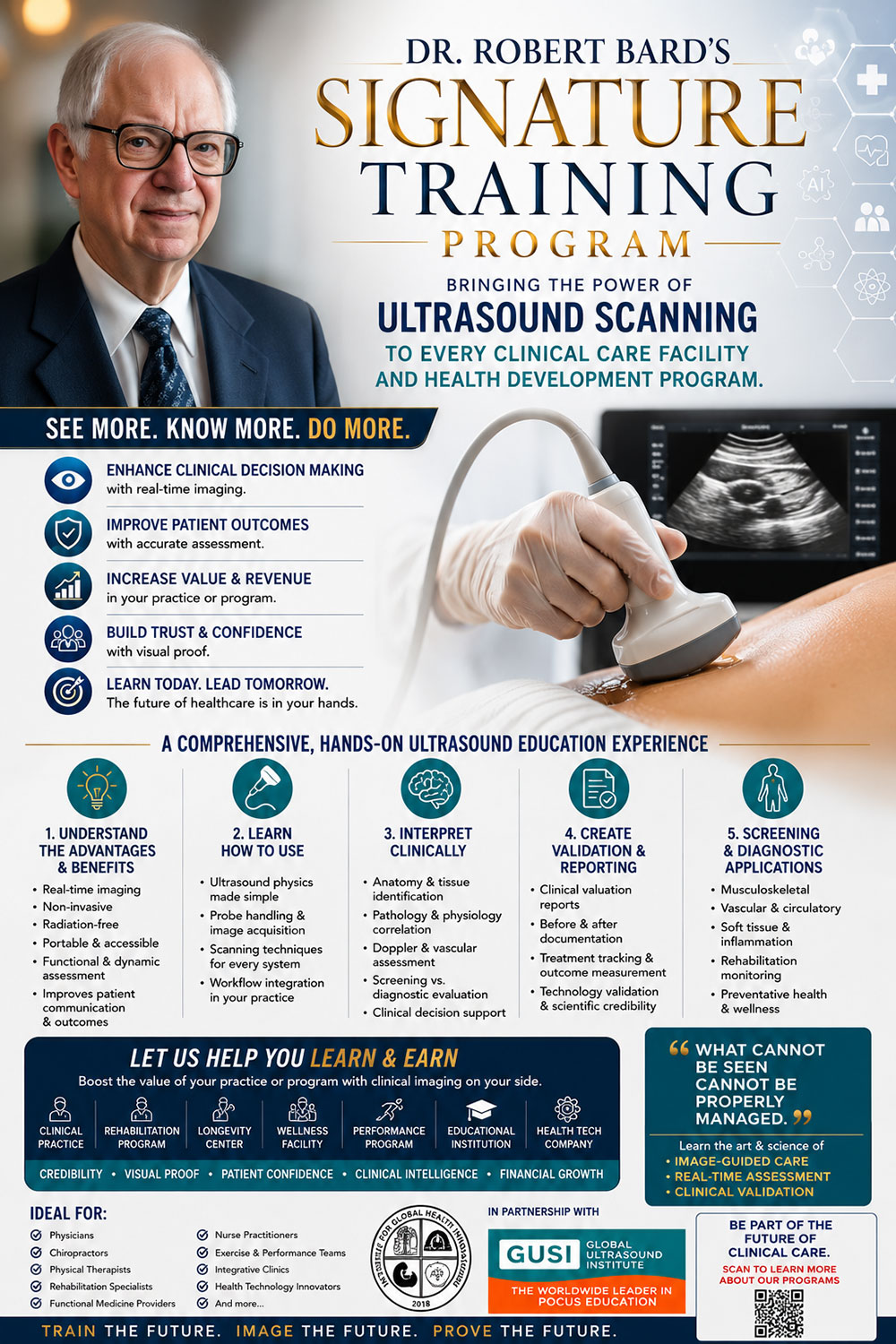
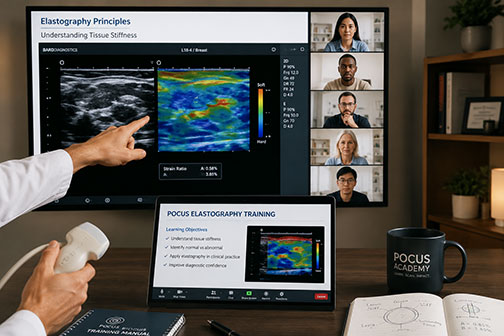
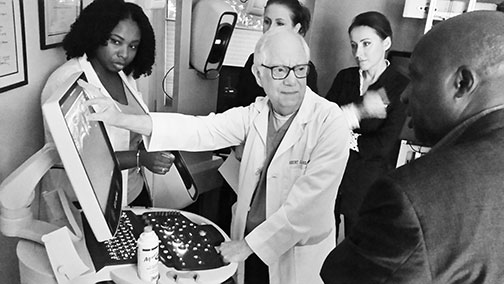
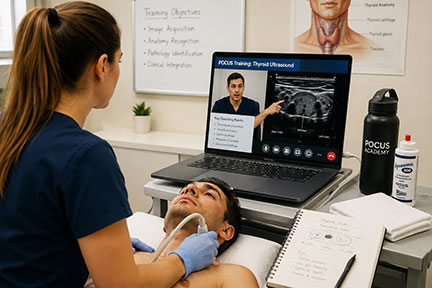
Healthcare is entering a new era where clinicians are expected to make faster, more informed decisions while delivering greater value to patients. Diagnostic ultrasound—particularly Point-of-Care Ultrasound (POCUS)—has emerged as one of the most practical and impactful technologies available to modern healthcare professionals. Once reserved primarily for radiology departments, ultrasound is now finding its place directly in the hands of physicians, rehabilitation specialists, nurse practitioners, physical therapists, sports medicine clinicians, functional medicine providers, and wellness professionals. Recognizing this transformation, BardDiagnostics is proud to introduce The Bard Signature Training Program—a comprehensive ultrasound education initiative designed to teach healthcare professionals how to confidently integrate imaging into everyday clinical practice. Developed in collaboration with the Global Ultrasound Institute (GUSI), this program combines internationally recognized POCUS education with the decades of clinical expertise and diagnostic philosophy of Dr. Robert L. Bard, one of New York's leading pioneers in diagnostic ultrasound.
EXPERT TRAINING ON POINT OF CARE ULTRASOUND
Why Ultrasound?
This shift from assumption to visualization represents one of the most important advances in modern clinical practice. A Partnership with the Global Ultrasound Institute (GUSI). The Bard Signature Training Program is delivered in partnership with the Global Ultrasound Institute (GUSI), one of the world's leading organizations dedicated exclusively to Point-of-Care Ultrasound education. Under the leadership of Dr. Mena Ramos, GUSI has become internationally recognized for making ultrasound education practical, accessible, and clinically relevant across multiple healthcare disciplines. As Co-CEO and Co-Founder, Dr. Ramos has helped reshape how healthcare professionals learn ultrasound by emphasizing competency-based education rather than specialty-based limitations. Her work has focused on expanding ultrasound training beyond emergency medicine into primary care, internal medicine, rehabilitation, musculoskeletal medicine, sports medicine, global health, education, and numerous allied health professions. GUSI's philosophy is straightforward: Ultrasound should not belong to one specialty—it should become an extension of every clinician's physical examination. That vision aligns perfectly with Dr. Robert Bard's lifelong commitment to expanding access to advanced diagnostic imaging. Dr. Robert Bard's Philosophy Rather than replacing clinical judgment, ultrasound strengthens it. By allowing practitioners to see beneath the skin, correlate symptoms with anatomy, and document measurable changes over time, ultrasound becomes one of the most valuable tools available for personalized medicine. The Bard Signature Training Program extends this philosophy to clinicians everywhere. Why Point-of-Care Ultrasound (POCUS)?
More Than Diagnosis—Validation
Raising the Value of Every Practice
Learn. Image. Validate. Lead. Through the combined leadership of Dr. Robert Bard, Dr. Mena Ramos, and the Global Ultrasound Institute, this program equips clinicians with one of the most valuable diagnostic and educational tools in modern medicine. Because the future of clinical excellence is not simply about seeing more—it is about seeing smarter. Train the Future. Image the Future. Validate the Future.
|
|||||||||||||||||||||||||||||||||||||||||||||||||||||||||||||||||||||||||||||||||||||||||||||
DIAGNOSTIC STRATEGIES OF GENETICS & MONITORING OF CHRONIC DISORDERS |
|||||||||||||||||||||||||||||||||||||||||||||||||||||||||||||||||||||||||||||||||||||||||||||
| 1) TESTING FOR OCCUPATIONAL (JOB RELATED) DISORDERS: Biological reactions are potentially linked to high concentrations of environmental toxins and heavy metal contamination. Autoimmune disorders can occur from significant exposure to certain metals in the air, water or digested materials. Heavy metals including ARSENIC, LEAD and MERCURY are recognized to cause a wide range of health issues and even death and others. Poisoning can happen if you eat or drink something tainted with heavy metals or if you breathe in contaminated dust or fumes. Functional testing and a full work-up can identify these pathogens to help design a personalized treatment plan. | |||||||||||||||||||||||||||||||||||||||||||||||||||||||||||||||||||||||||||||||||||||||||||||
| 2) ACTIVE SURVEILLANCE Where Recurrence Prevention Scans are implemented after cancer treatment or surgery, Active Surveillance is often recommended once you are diagnosed of an early stage cancer- one that is identified as slow-growing such as prostate, breast, kidney, and thyroid cancer. Monitoring cancers during its very early stages (instead of immediate treatment) may be a good option. This means closely watching a patient’s condition but not giving any treatment unless there are changes in test results that show the condition is getting worse. Active surveillance may be used to avoid or delay the need for treatments such as radiation therapy or surgery, which can cause side effects or other problems. During active surveillance, certain exams and tests, such as blood tests, imaging tests, and biopsies, are done on a regular schedule to monitor the condition. Active surveillance may be used in certain types of prostate cancer and in some other types of cancer. It is a type of expectant management. (See complete report) |
|||||||||||||||||||||||||||||||||||||||||||||||||||||||||||||||||||||||||||||||||||||||||||||
| 3) PRE/POSTOP RECURRENCE DETECTION: In the case of post-cancer surgery, there are many preventive measures to support a safe and healthy recovery and to reduce the risk of recurrence. The AngioInstitute recommends standardizing a postop maintenance process called RECURRENCE PREVENTION SCANS. Through the use of 3D Doppler Ultrasound, post-cancer surgery patients can subscribe to a regular monitoring program to detect possible lesions and micro-tumors that may have fallen under the radar. Moreover, proactive monitoring can mitigate complications such as post-surgical Infections, recurring pain, swelling, neuropathy from nerve damage, scarring, fluid buildup or blood clots. All this can be seen and scanned by a seasoned imaging specialist trained to support postop patient management. | |||||||||||||||||||||||||||||||||||||||||||||||||||||||||||||||||||||||||||||||||||||||||||||
 |
|||||||||||||||||||||||||||||||||||||||||||||||||||||||||||||||||||||||||||||||||||||||||||||
|
|||||||||||||||||||||||||||||||||||||||||||||||||||||||||||||||||||||||||||||||||||||||||||||
|
 |
|
|
|
|
BARD DIAGNOSTICS at: 212.355.7017